
What do you Notice?
Helping athletes develop awareness of the game.
Many coaches spend most of the session telling athletes what to do. They explain mistakes. They give corrections. They provide (many) sets of instructions. And, many also position themselves as the fountain of all knowledge.
But great players often operate outside this form of learning. They do something different and perform in spite of attempted one-way knowledge communication. Instead, they notice what is happening in the game themselves.
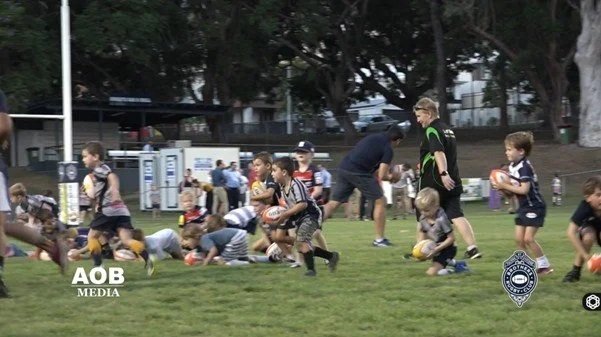
Try to make sure there is one ball, plastic bottle, beanbag, cup, etc. for each child — and provide enough for the adults too!
The Power of Awareness
I often asks athletes a simple question: "What do you notice?" At first, players often respond with something obvious, like:
"Too much drooped ball."
“We had numbers left."
"Get your hands up!!!."
Or the classic, “We need to talk more…”
But noticing in sport is much more than simply observing the ball or players. It’s about recognising:
space
pressure
timing
opportunities
the flow of the game
Great players don’t just react. They understand what is happening around them. Sometimes it involves expanding the other senses outside of sight too. What they heard, felt, thought etc.
As I have explained to coaches over the years, ‘notice’ is a strong word if you use it right.
The Coach’s Role
There is a place for explicitly telling players what to do. However, in my experience this is often overdone. However, instead of telling players what to do every time, great coaches create environments where athletes learn to ‘notice’ for themselves.
By asking the question, “What do you notice?”, the coach encourages athletes to:
become aware of their surroundings
understand the game through their own perspectives
recognise patterns and anticipate the next move
and much more…
Thus, rather than the coach giving all the answers, often good coaches encourage players to look for solutions themselves.
Noticing Helps Decision Making
Awareness is the foundation of decision making. Players who notice pressure early can react quicker. Players who see space before the opponent does, can use that to their advantage.
Noticing helps athletes make better decisions faster.
Teaching Awareness
Developing awareness doesn’t happen by simply asking one question. It’s a process. Great coaches ask this question throughout the session: “What do you notice?”
Great coaches also:
pause the game to give athletes time to think
change the environment to encourage new discoveries
ask more specific follow-up questions, such as:
“What do you notice about the space?”
“How does the pressure change when you move there?”
“What are you noticing about the game flow?”
A Simple Truth
The more athletes are encouraged to notice what is happening in the game, the more they learn. And the more they understand the game, the better their decisions become. This is the core of game-based learning approaches for example— not an overreliance on telling athletes what to do, but giving them the tools to recognise and understand the game for themselves.
“Great players don’t just react. They understand what is happening around them. ”
Hey teachers (coaches): “What do you notice when you watch your players?”
Part of the Coaching is Teaching Series
• Coaching is Teaching
• Hook ’Em In
• Start With the Game
• Let Them Explore
• Shape the Environment
• Coaching Behaviour Matters
• Keeping Kids in Sport
Source for reflection - there is nothing new under the sun:
Many of these ideas connect with broader work in coaching and physical education teaching.
Coaches interested in exploring a game base pedagogy could start out with Bunker and Thorpe’s work (1982) on Teaching Games for Understanding.