
Resources
Craig has spent more than 30 years coaching athletes and mentoring coaches.
This section shares ideas, insights and practical coaching concepts drawn from that experience.
Start Here
The ‘Coaching is Teaching Series’
Coaching is Teaching
What Do You Notice?
Hook ’Em In
Start With the Game
Let Them Explore
Shape the Environment
Coaching Behaviour Matters
Keeping Kids in Sport
If you are new to Craig’s ideas, these articles provide a clear introduction to the core principles that underpin his approach to coaching and learning in sport.
Together they form the Coaching is Teaching series.
Coaching Philosophy
Ideas about how learning happens in sport and why coaching is teaching.
Game-Based Coaching
Practical ideas for designing training environments where athletes learn through play
Coaching Behaviour
How coaches influence learning through their behaviour, questioning and session design.
Youth Sport & Participation
Creating environments where young athletes enjoy sport and continue participating.
Keeping Kids in Sport
Why great coaching environments help young athletes stay in the game.
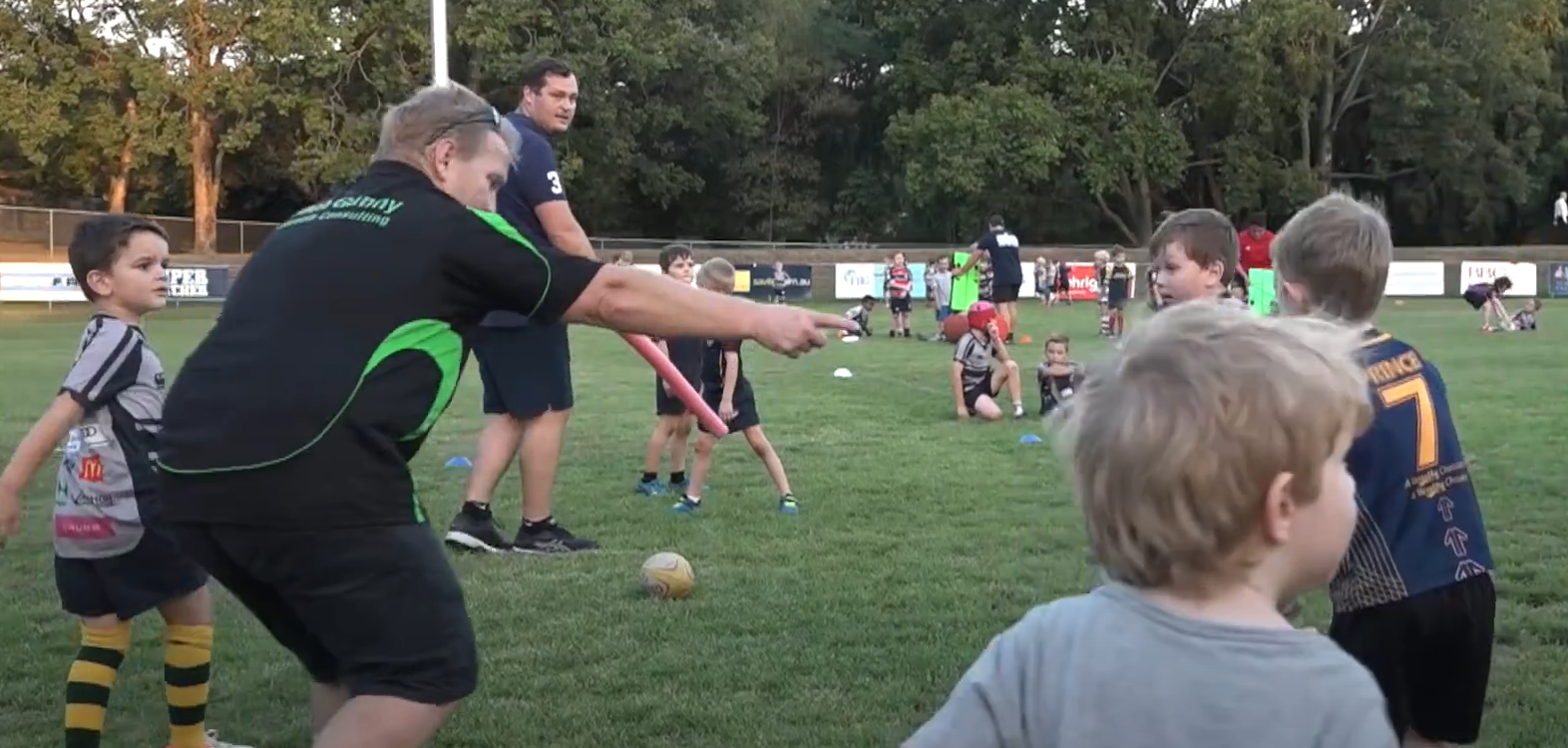
The asset for the future of all societies success: young people. Focus on retention!
Many young athletes begin sport with excitement. They enjoy playing with friends. They enjoy learning new skills. They enjoy being part of a team.
But over time, something often changes. Pressure increases. Expectations grow. The environment becomes more focused on results.
Some athletes thrive. Many others walk away.
Development Takes Time
Athletes develop at different rates. Some mature early. Some later. Great coaching environments recognise that development is not always linear.
Young athletes need:
• time
• space
• encouragement
• opportunities to play
These conditions help athletes stay involved long enough to develop confidence and ability.
The Role of the Coach
Coaches play a significant role in whether young athletes continue to enjoy sport.
The environment created by the coach influences:
• confidence
• motivation
• enjoyment
• sense of belonging
When athletes feel safe to try, make mistakes and explore, they are more likely to stay engaged.
The Role of Parents and Caregivers
The most important adults for young people are thoser at home. They also shape the experience. Support, patience and understanding can help young athletes enjoy the process of learning.
Pressure and unrealistic expectations can have the opposite effect. Long-term development requires time.
A Long-Term View
Success in youth sport is often measured by short-term results. Wins. Selections. Performance.
But a more important question might be:
How many athletes are still playing and enjoying the game in five or ten years?
Great coaching environments focus on long-term participation, not just short-term outcomes.
A Simple Goal
One of the most valuable outcomes of coaching is helping young people develop a positive relationship with sport.
If athletes continue to enjoy being active, learning and playing, the experience has lasting value.
A Final Thought
Keeping kids in sport may be one of the most important forms of success a coach can achieve.
Part of the Coaching is Teaching Series
• Coaching is Teaching
• What Do You Notice?
• Hook ’Em In
• Start With the Game
• Let Them Explore
• Shape the Environment
• Coaching Behaviour Matters
• Keeping Kids in Sport
A question for coaches and parents:
If a young athlete leaves your program, will they remember the pressure — or the joy of playing the game?
Coaching Behaviour Matters
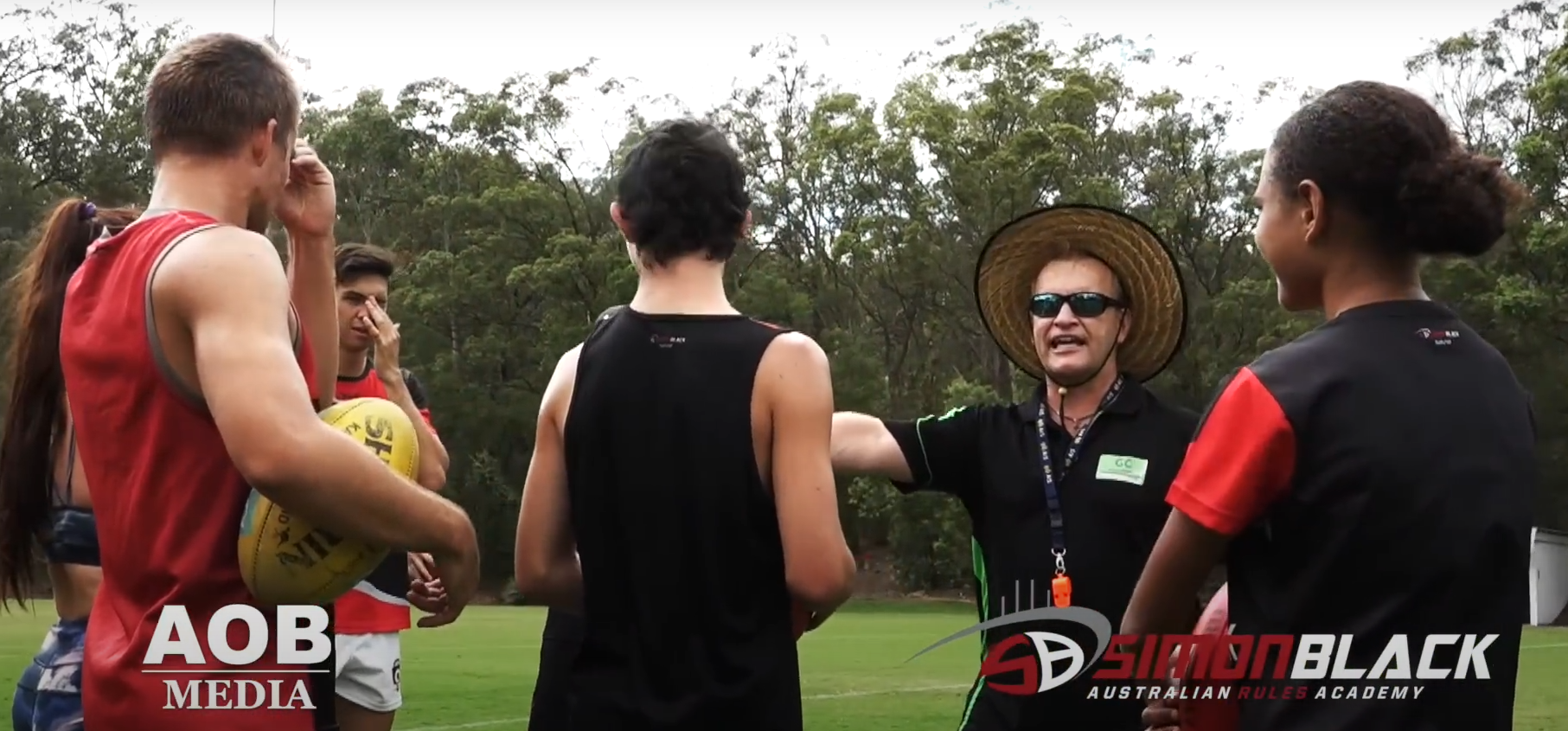
The behaviour of the coach shapes the learning environment.
When people talk about coaching, the focus is usually on the athletes. Technique. Effort. Fitness. Decision making.
But an important question is often overlooked: What is the coach doing?
The behaviour of the coach has a powerful influence on how athletes learn.
Watching the Coach
I have often suggested that many coaches would be surprised if they watched themselves coach on video:
How often do they stop the activity?
How much time do players spend waiting?
How long are the explanations?
Without realising it, the coach can dominate the session. The intention may be to help, but too much instruction can reduce the opportunities for players to learn through the game.
The Environment the Coach Creates
Athletes respond to the behaviour of the coach. If the coach constantly corrects every mistake, players may become hesitant. If the coach allows time for exploration, players begin to think and solve problems themselves.
The learning environment is shaped not only by the activity, but also by how the coach behaves.
Awareness and Reflection
Good coaching requires awareness. Great coaches reflect on their own behaviour.
They consider questions such as:
• When should I step in?
• When should I step back?
• Are players actively learning, or mostly listening?
This awareness helps coaches create better learning environments.
Coaching Is Also Learning
Coaching is not only about developing athletes. It is also about the coach continuing to learn. Observing sessions, reflecting on behaviour and adjusting the approach are all part of becoming a better coach.
A Simple Reminder
Sometimes improving a session does not begin with changing the players.
It begins with the coach.
If you watched your own session on video, what would you notice about your coaching behaviour?
“Then number one no-brainer to improve any coach: turn the camera on themselves. IF they watch it... They will learn a hell of a lot.”
Part of the Coaching is Teaching Series
• Coaching is Teaching
• What Do You Notice?
• Hook ’Em In
• Start With the Game
• Let Them Explore
• Shape the Environment
• Coaching Behaviour Matters
• Keeping Kids in Sport
If you are interested in going deeper with your own coaching development, stay tuned. I will be releasing a course soon.
Shape the Environment
How small changes to the game create better learning.
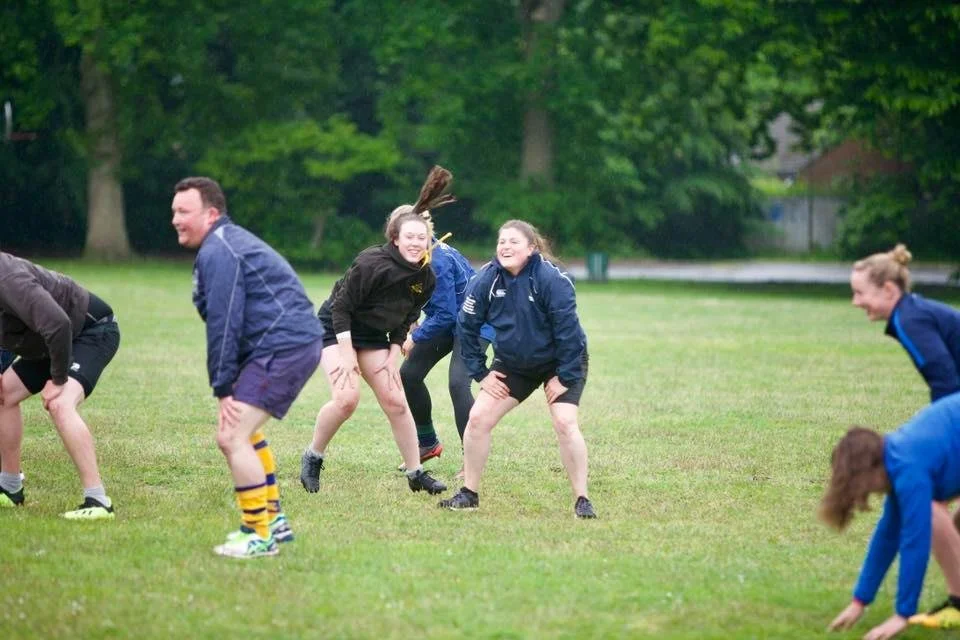
The faces say it all!
When something is not working in a training session, many coaches respond in the same way. They stop the activity. Then they explain what players should do differently. Sometimes this helps. But often there is another option.
Instead of talking more, the coach can change the environment.
The Environment Influences Behaviour
In sport, behaviour is strongly shaped by the environment. If the playing area is large, athletes behave one way. If the space becomes smaller, behaviour changes. Without going in to discussions about dynamical systems theory or ecological psychology, we implicitly know this when we see dogs at a refuge or pound.
““The caged bird sings with a fearful trill, of things unknown, but longed for still.” ”
In sport, if the number of players changes, decisions change. If time pressure increases, the pace of the game changes. Small adjustments to the environment can create entirely new learning situations.
Coaching Through Design
Instead of relying on long explanations, coaches can shape learning by adjusting simple elements of the game For example, a coach might change:
• the size of the space
• the number of players
• the rules of the activity
• the amount of time available
These adjustments create new challenges that players must solve. Learning begins to emerge through the game itself.
The Game Becomes the Teacher
When the environment changes, the game begins to guide behaviour. Players adapt. They move differently. They notice new opportunities. They experience pressure in new ways.
Instead of being told what to do, they discover solutions.
The Role of the Coach
This approach does not remove the coach. It changes the role of the coach. The coach becomes a designer of learning environments. They observe what is happening, make small adjustments and allow the game to reveal new problems for players to solve.
A Different Kind of Intervention
Sometimes the most effective coaching intervention is not another explanation. It is a small change to the environment that allows the game to teach.
Part of the Coaching is Teaching Series
• Coaching is Teaching
• What Do You Notice?
• Hook ’Em In
• Start With the Game
• Let Them Explore
• Shape the Environment
• Coaching Behaviour Matters
• Keeping Kids in Sport
If you are interested in deeper learning, I will be releasing a learning design course soon.
Don’t forget Craig Quote at End
Let Them Explore
One of the hardest things for many coaches to do is step back.
When athletes are playing, the instinct is often to stop the activity quickly.
Explain the mistake.
Correct the technique.
Tell players what to do.
But constant instruction can interrupt learning.
Craig often uses a different approach:
Let them explore.
Exploration Creates Understanding
When athletes have time to play and interact, they begin to recognise patterns.
They start to notice:
• space
• pressure
• timing
• opportunities
Instead of relying on instructions, players begin to understand the game for themselves.
Observation Is Still Coaching
From the outside, it can sometimes look like the coach is doing nothing.
But good coaching still requires attention.
The coach is watching closely:
• how players move
• how decisions are made
• what problems are emerging
The coach may step in briefly, ask a question or adjust the environment.
Then the game continues.
Not Overcoaching
Exploration does not mean the coach disappears.
Good coaching is still active.
The difference is that the coach does not interrupt every moment.
Players are given time to interact, think and adapt.
Learning happens through the game, not only through instruction.
A Simple Reminder
Sometimes the most powerful thing a coach can do is step back for a moment and allow the game to continue.
Let them explore.
Start With the Game
Start With the Game
Many coaching sessions begin the same way.
A warm-up.
Lines of players.
Drills that isolate technique.
Only later do athletes get to play the game.
But the game itself is where learning actually happens.
Craig often begins sessions in a different way:
Start with the game.
Why the Game Comes First
Games immediately create:
• interaction
• decision making
• pressure
• timing
• real situations
Players are forced to think, move and respond.
Instead of practising skills in isolation, athletes experience how those skills appear inside the game itself.
The Game Creates the Questions
When players begin with the game, situations naturally emerge.
Space appears.
Pressure increases.
Mistakes happen.
Opportunities appear.
This gives the coach something valuable:
a real context for learning.
Instead of explaining everything at the start, the coach can pause briefly and ask:
“What do you notice?”
Learning Through Play
Starting with the game does not mean the coach does nothing.
The coach observes, asks questions and shapes the environment.
Space can change.
Rules can change.
Numbers can change.
But the learning always stays connected to the game.
A Simple Principle
Great coaching sessions often begin with the activity that matters most.
The game itself.